Sewer pipe lining: mains, laterals, and the joint between them
Most lining work in the United States happens in sewers, and most sewer problems are one of four things. This page covers what lining resolves on a sewer line, what it leaves untouched, and the boundary question that decides who pays.
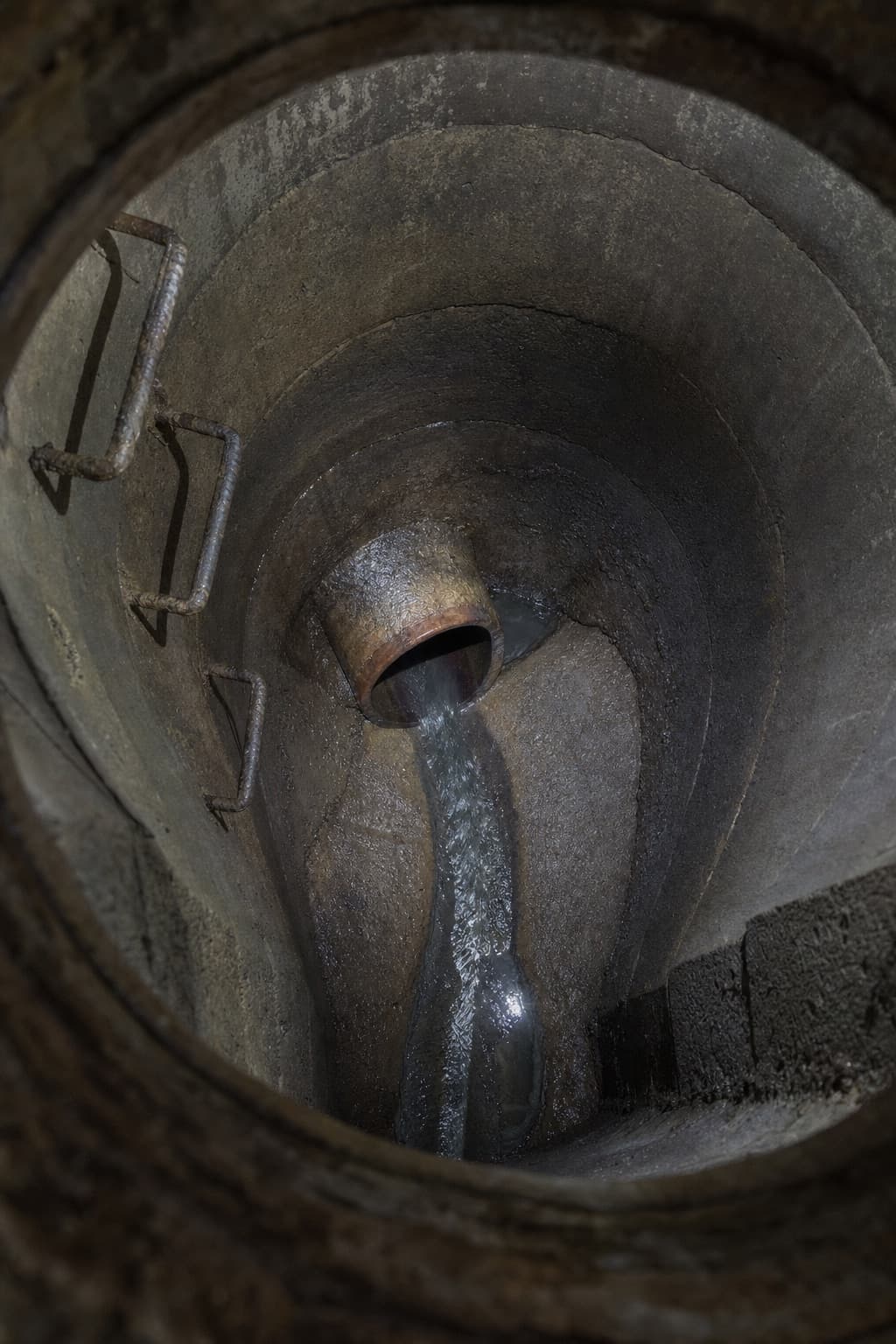
Four defects, and the pipe they usually come with
Sewer lines fail in a small number of recognizable ways, and the material tells you which to expect before the camera goes in.
- Root intrusion, typically at joints. Clay and older concrete pipe with mortared or gasketed joints are the classic hosts. Roots do not break into sound pipe for pleasure, they follow moisture through an opening that already exists.
- Offset and open joints, from ground movement, settlement or loading above. Each one is an entry point for roots and groundwater, and an obstruction to flow.
- Cracking and corrosion. Cast iron corrodes from the inside; concrete can be attacked in sewers where hydrogen sulfide conditions develop.
- Sags and bellies, from bedding failure or poor installation. These are not defects lining repairs, and identifying them early saves the whole project.
Mains, laterals, and the line between them
A sewer lateral runs from a building to the public main. Somewhere along it, responsibility changes hands, and where that point sits is not a technical question but a jurisdictional one.
In some places the property owner is responsible to the property line and the utility takes over from there. In others the owner is responsible all the way to the connection at the main, including the portion under the street. The difference can be the entire cost of the job.
Practically: establish the boundary before commissioning work, in writing, from the utility. It is a phone call, and it decides who is buying.
Lining a lateral
Lateral lining is the same method at a smaller scale, with two complications that matter.
The first is the connection to the main. A lateral liner that stops short of the connection leaves the joint where infiltration is most likely to occur. Systems exist to seal that transition, a connection seal installed from the main, sometimes combined with the lateral liner, and whether it is included should be explicit in the quote.
The second is access. Laterals often have bends near the building, a cleanout in an awkward position, or no cleanout at all. That is a feasibility question, and it is worth asking before the survey rather than after.
Lining a main
On a public or shared main, three things dominate the job: keeping the flow moving, reinstating every connection, and proving the result.
Flow has to be plugged or bypassed for the duration. Every service connection along the run has to be located before installation and reopened after the cure. And the acceptance package, post-installation survey, testing, samples, is what closes the job. The sequence is set out on how a liner is installed, and the specification side on municipal CIPP.
What a lined sewer behaves like afterwards
The bore is smooth and jointless, which is why root intrusion stops: there is no longer a joint to enter through. Groundwater infiltration through the lined length stops for the same reason.
Diameter is slightly reduced and the wall is much smoother, and in gravity sewers those effects tend to offset each other. On a line already at its hydraulic limit, that should be calculated rather than assumed.
What does not change: the grade, the depth, the bedding, and anything happening in the length of pipe that was not lined. A liner ends where it ends, and the next joint beyond it is exactly as old as it was yesterday.
Frequently asked
Will lining stop roots coming back?
Through the lined length, yes, the openings roots used are covered by a continuous pipe. Roots can still enter through defects beyond the liner, including at the connection to the main if that transition was not sealed.
Can a sewer line be lined if it has a belly?
The belly stays. A smoother bore may move solids through it more readily, but standing water remains standing water, and if the sag is the cause of the backups then lining is treating the wrong thing. See lining or replacement.
How long is the drain out of service?
On a residential lateral, typically part of a day. On a main, for the duration of the shot and the cure, with a bypass keeping the system running. The scheduling detail worth confirming is when the line comes back into service, not when the crew leaves.
Last reviewed July 29, 2026.
Related pages
- CIPP pipe liningUnderstand the method itself and its conditions of use.
- Trenchless repairPlace lining among the alternatives instead of assuming it is the answer.
- Inspection and assessmentKnow what to require from a survey, and how to read the report.
- What drives the costUnderstand a quote and compare bids that do not look alike.
Describe the sewer line
Material, diameter, what the camera showed and whether it is a lateral or a main. That is enough to establish whether lining applies here.
CIPP Connect rehabilitates pipe in place: camera inspection and assessment, cleaning, cured-in-place liner installation, lateral reinstatement and post-installation verification. One crew, one written scope.